
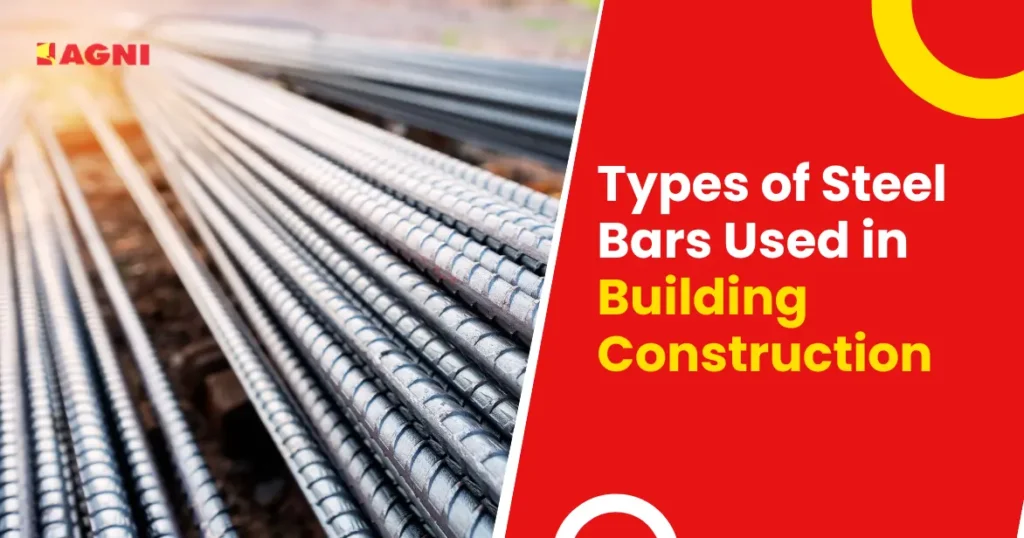
Steel bars are an important reinforcement for concrete structures. Concrete can resist compression quite well on its own, but it needs reinforcement to survive tension and shear forces, and that is where steel bars are used. Whether it is a big infrastructure project or a small home, the right choice of steel bars guarantees durability, safety and long-term performance. In this blog, we will discuss the types of steel bars, their uses, and their specialities.
What are Steel Bars?
Steel bars are long steel bars used to reinforce concrete. These bars are used in concrete to improve the tensile strength of concrete and make the structure stable under various load conditions.
Why Are Steel Bars Important in Buildings?
Concrete can crack and collapse due to load pressure without reinforcement. Construction steel bars are used to provide flexibility, tensile strength and structural integrity in projects.
Steel bars stabilise the structure by
- Distribute loads evenly
- Resist stress and tension
- Improve structural bonding
- Enhance the longevity of the construction
Sizes of steel bars for construction work
The size of steel bars used is dependent on the type and scale of the construction project. The commonly available diameters in the market are 6mm to 50mm. For residential buildings, 8mm to 16mm bars are usually used, while for high-rise buildings, thicker diameters are required for added strength.
While constructing a structure, follow the recommendations given by structural engineers to know the appropriate sizing and spacing of bars in concrete.
Different Types of Steel Bars Used for Construction
The most popular types of steel bars you should know about are:
- Mild Steel Bars
These are ordinary and smooth surface steel bars used in small-scale constructions having low tensile strength requirements. With their ease of bending and cutting, mild steel bars are affordable, but they have little bonding with concrete.
- Deformed Steel Bars
The deformed bars are ridged or ribbed on their surface, unlike mild steel, and offer better grip between the bar and the surrounding concrete. This reduces slippage and increases tensile strength. They are mostly used in reinforced concrete structures.
- Thermo Mechanically Treated Bars (TMT Bars)
The popular construction steel bars, TMT steel bars, go through a special heat treatment process that results in a soft core and a hard outer surface. This combination provides:
- Superior tensile strength
- Corrosion resistance
- Earthquake resilience
- Weldability
TMT bars are perfect for all types of construction, whether residential homes or infrastructure projects such as bridges and flyovers.
- Stainless Steel Bars
Stainless steel bars are rust-proof and long-lasting and are used in projects exposed to extreme moisture or corrosive environments. They, however, are more expensive and are often used for special construction purposes.
- Welded Wire Mesh
This type consists of a network of steel wires welded together. It is mostly applied in floor slabs, road pavements and prefabrications where uniform strength is required. The welded wire mesh provides excellent load distribution, and labour cost during installation is reduced.
- Twisted Steel Bars
These are cold-worked twisted bars to enhance the bond with concrete. They were, however, more frequent in the past and have since been replaced by TMT bars because they perform better and are more durable.
Advantages of Steel Bars
Construction steel bars have many benefits, like:
- High tensile and compressive strength
- Uniformity and consistency
- Resistance to natural disasters (earthquakes, storms)
- Durability and long life
- Ease of handling and transport
- Compatibility with concrete
What is the Best Steel Bar for House Construction?
If you’re constructing a home and are wondering which bar to go for, TMT steel bars are the clear winner. They are able to tolerate stress, resist corrosion and can accommodate seismic activities, and are thus reliable for use in residential projects.
In addition to that, they are available in various grades, including Fe-415, Fe-500, and Fe-550.
Comparison of Different Types of Steel Bars
Understanding the different types of steel bars can help builders, engineers, and homeowners choose the right reinforcement material for their construction projects. Each type of steel bar offers unique properties that make it suitable for specific applications.
| Type of Steel Bar | Key Features | Common Applications |
|---|---|---|
| Mild Steel Bars | Smooth surface, easy to bend and cut, economical | Small residential projects, temporary structures |
| Deformed Steel Bars | Ribbed surface for better bonding with concrete | RCC structures, foundations, beams, and columns |
| TMT Steel Bars | High strength, corrosion resistance, earthquake-resistant | Residential buildings, commercial complexes, bridges, and flyovers |
| Stainless Steel Bars | Excellent corrosion resistance, long lifespan | Coastal constructions, marine structures, industrial plants |
| Welded Wire Mesh | Uniform reinforcement, quick installation | Floor slabs, pavements, precast concrete structures |
| Twisted Steel Bars | Improved concrete grip compared to mild steel bars | Older construction projects and specialized applications |
Factors to Consider When Choosing Types of Steel Bars
Selecting the right type of steel bar depends on several important factors:
- Project Type: Residential, commercial, industrial, or infrastructure projects.
- Load Requirements: Higher loads require stronger reinforcement materials.
- Environmental Conditions: Coastal and humid regions may require corrosion-resistant steel bars.
- Budget: Different types of steel bars vary in cost and performance.
- Durability Requirements: Long-term projects benefit from high-strength and corrosion-resistant bars.
- Compliance with Standards: Ensure the steel bars meet industry and construction standards.
Among all the types of steel bars available today, TMT steel bars remain the most preferred option due to their superior strength, flexibility, corrosion resistance, and long-term durability. This makes them the ideal choice for modern construction projects that demand safety and structural reliability.
Comparison of Different Types of Steel Bars
Understanding the different types of steel bars can help builders, engineers, and homeowners choose the right reinforcement material for their construction projects. Each type of steel bar offers unique properties that make it suitable for specific applications.
| Type of Steel Bar | Key Features | Common Applications |
|---|---|---|
| Mild Steel Bars | Smooth surface, easy to bend and cut, economical | Small residential projects, temporary structures |
| Deformed Steel Bars | Ribbed surface for better bonding with concrete | RCC structures, foundations, beams, and columns |
| TMT Steel Bars | High strength, corrosion resistance, earthquake-resistant | Residential buildings, commercial complexes, bridges, and flyovers |
| Stainless Steel Bars | Excellent corrosion resistance, long lifespan | Coastal constructions, marine structures, industrial plants |
| Welded Wire Mesh | Uniform reinforcement, quick installation | Floor slabs, pavements, precast concrete structures |
| Twisted Steel Bars | Improved concrete grip compared to mild steel bars | Older construction projects and specialized applications |
Factors to Consider When Choosing Types of Steel Bars
Selecting the right type of steel bar depends on several important factors:
- Project Type: Residential, commercial, industrial, or infrastructure projects.
- Load Requirements: Higher loads require stronger reinforcement materials.
- Environmental Conditions: Coastal and humid regions may require corrosion-resistant steel bars.
- Budget: Different types of steel bars vary in cost and performance.
- Durability Requirements: Long-term projects benefit from high-strength and corrosion-resistant bars.
- Compliance with Standards: Ensure the steel bars meet industry and construction standards.
Among all the types of steel bars available today, TMT steel bars remain the most preferred option due to their superior strength, flexibility, corrosion resistance, and long-term durability. This makes them the ideal choice for modern construction projects that demand safety and structural reliability.
Conclusion
The strength of the structure you build depends on the type of steel bar used. Even though all types have their benefits, TMT steel bars are usually the best choice for strength, durability and cost-effectiveness, particularly for house construction.
Whether you are a homeowner or a builder, it is always useful to know about steel bar types so that you can make informed decisions and your building stands the test of time.