
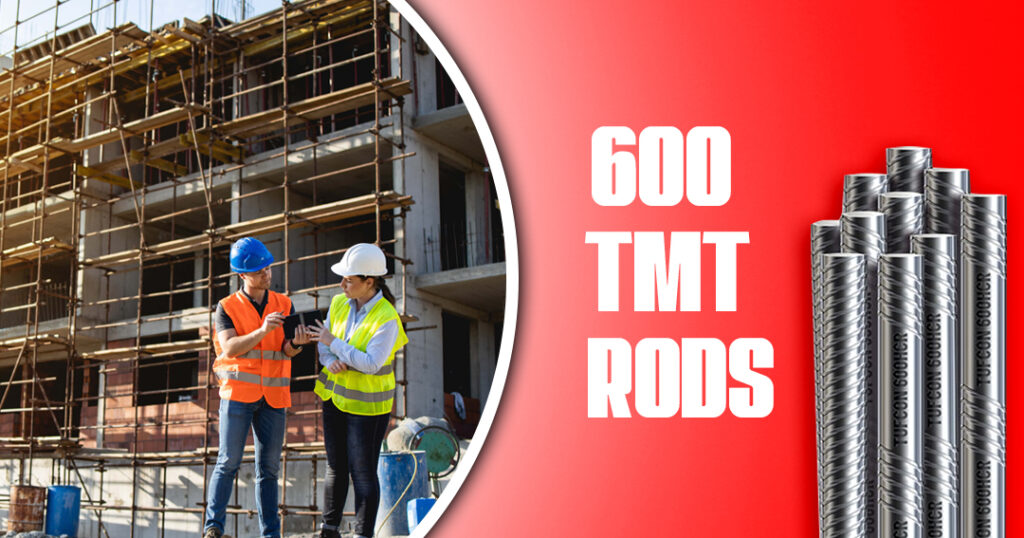
In the realm of construction, the threat of earthquakes poses a significant challenge. As seismic events can have devastating consequences, the need for structures capable of withstanding such forces is paramount. This brings us to the indispensable role of 600 TMT Rods in earthquake-resistant construction, where innovation meets resilience.
The Science Behind Earthquake Resistance: A Primer
Earthquake-resistant construction involves the integration of materials and design principles that can absorb and dissipate seismic forces. This is where the unique properties of 600 TMT Rods come into play.
The Role of 600 TMT Rods:
1. High Tensile Strength:
600 TMT Rods boast exceptional tensile strength, enabling them to withstand the dynamic and unpredictable forces exerted during an earthquake.
2. Ductility for Deformation:
Ductility is a key attribute that allows 600 TMT Rods to undergo controlled deformation without losing their structural integrity. This property is vital for absorbing seismic energy.
3. Energy Dissipation:
The design of 600 TMT Rods facilitates the dissipation of energy during an earthquake, preventing concentrated stress points and reducing the risk of structural failure.
4. Corrosion Resistance:
Corrosion can compromise the strength of traditional steel reinforcements. 600 TMT Rods, with their corrosion-resistant properties, ensure long-term durability even in challenging environmental conditions.
Challenges in Traditional Construction and the 600 TMT Advantage:
Traditional construction materials face challenges in seismic-prone regions. Common issues include:
1. Brittleness of Conventional Steel:
Traditional steel can exhibit brittleness under intense seismic stress, leading to sudden failure. 600 TMT Rods, with their enhanced ductility, address this vulnerability.
2. Limited Energy Dissipation:
Standard steel may struggle to dissipate seismic energy effectively. 600 TMT Rods, designed for optimal energy dissipation, mitigate the risk of concentrated stress points.
3. Corrosion Concerns:
Corrosion can compromise the structural integrity of conventional steel over time. The corrosion-resistant properties of 600 TMT Rods offer a solution to this longevity challenge.
Beyond Earthquakes: Multifaceted Benefits of 600 TMT Rods:
While primarily celebrated for their seismic resilience, 600 TMT Rods offer additional advantages:
1. Fire Resistance:
The unique composition of 600 TMT Rods contributes to their fire resistance, providing an added layer of safety in construction projects.
2. Cost-Effective Construction:
Despite their advanced properties, 600 TMT Rods contribute to cost-effective construction by reducing the need for additional structural support elements.
Also Check it out: Comparison of 550d and 600 TMT Bars
Sustainability and 600 TMT Rods: Building for the Long Term
In the context of earthquake-resistant construction, sustainability is a crucial aspect. 600 TMT Rods contribute to sustainable practices in several ways:
1. Recyclability:
600 TMT Rods, often made with recycled steel, align with green construction practices. Their recyclability reduces the environmental impact associated with steel production.
2. Extended Lifespan:
The durability and corrosion resistance of 600 TMT Rods result in longer-lasting structures. This longevity reduces the need for frequent repairs or replacements, minimizing the environmental footprint of construction projects.
3. Energy Efficiency:
The energy-efficient manufacturing process of 600 TMT Rods further supports sustainable construction. Lower energy consumption in production translates to a reduced carbon footprint.
Innovation Beyond Compliance:
Beyond meeting standard seismic codes, 600 TMT Rods are driving innovation in earthquake-resistant design:
1. Base Isolation Technology:
Engineers are utilising 600 TMT Rods in conjunction with base isolation technology, a cutting-edge approach that decouples structures from ground motion during earthquakes.
2. Resilient Smart Cities:
The integration of 600 TMT Rods is contributing to the development of resilient smart cities, where infrastructure is designed to withstand seismic events without compromising functionality.
1. Compliance with Indian Seismic Standards
Earthquake-resistant structures must comply with national safety codes such as IS 1893 and IS 456. 600 TMT Rods are manufactured to meet BIS standards, ensuring they are suitable for construction in seismic zones across India. Their consistent quality helps engineers design structures that align with regulatory requirements without compromising safety.
2. Importance of Proper Design & Installation
While 600 TMT Rods offer superior strength and ductility, their performance depends on correct structural design and installation. Proper detailing, anchorage, spacing, and lap lengths are essential to utilise their earthquake-resistant properties fully. Skilled engineering and quality workmanship amplify the effectiveness of 600 TMT Rods.
3. Applications in Seismic Zones
600 TMT Rods are widely used in:
High-rise residential and commercial buildings
Hospitals and emergency facilities
Bridges and flyovers
Industrial and power infrastructure
Public buildings in high seismic zones
Their reliability makes them a preferred choice for critical structures where safety is non-negotiable.
4. Why Engineers Prefer 600 TMT Rods
Structural engineers favour 600 TMT Rods because they:
Offer a higher strength-to-weight ratio
Reduce steel consumption
Improve structural flexibility
Enhance overall building performance during earthquakes
This makes them ideal for modern, safety-driven construction projects.
5. Quality Testing & Assurance
Reputed manufacturers subject 600 TMT Rods to rigorous testing, including:
Tensile strength tests
Bend and rebend tests
Elongation tests
Chemical composition analysis
These tests ensure consistent performance and reliability in seismic conditions.
6. Role in Disaster-Resilient Infrastructure
As urbanisation increases in seismic-prone regions, disaster-resilient infrastructure is essential. 600 TMT Rods contribute to reducing loss of life and property by enhancing structural resilience, making them a key component in disaster preparedness strategies.
7. Choosing the Right 600 TMT Rod Manufacturer
When selecting 600 TMT Rods, always consider:
BIS/ISI certification
Manufacturer reputation
Advanced manufacturing technology
Proven performance in seismic projects
Choosing the right supplier is as important as choosing the right material.
Future Landscape: Advancements in Seismic Engineering
Looking ahead, ongoing research and advancements in seismic engineering, coupled with the continued use of 600 TMT Rods, promise a future where structures not only survive earthquakes but also recover swiftly with minimal impact. The role of 600 TMT Rods in earthquake-resistant construction is transformative. As seismic events continue to pose challenges globally, the adoption of innovative materials like 600 TMT Rod is not just a choice; it’s a commitment to building a safer, more resilient future. By understanding the science behind earthquake resistance, exploring real-world impacts, and embracing ongoing innovations, we pave the way for structures that not only stand tall but stand strong in the face of nature’s most formidable forces.